“Indeed, the underlying precept of the new science of mind is that all mental processes are biological—they all depend on organic molecules and cellular processes that occur literally “in our heads.” Therefore, any disorder or alteration of those processes must also have a biological basis.”
Eric Kandel
“In search of memory: The emergence of new science of mind.”
The lab investigates how early brain development shapes vulnerability to neuropsychiatric disorders, with a focus on the molecular and environmental factors that influence the formation and function of neural circuits. We frequently use zebrafish to visualize developing brain networks and to model genetic conditions.
Using zebrafish, we visualize developing brain networks and model genetic conditions such as tuberous sclerosis complex (TSC), where mutations in the TSC1 or TSC2 genes lead to chronic overactivation of the mTORC1 signaling pathway. This pathway acts as a central hub that helps the developing brain interpret and respond to internal and external cues, and when it becomes hyperactive – as is often seen in autism spectrum disorder (ASD) – sensory information can be processed in atypical ways. In our TSC zebrafish model, we discovered that the loss of normal light preference stems from disrupted processing of light signals in a brain region called the left dorsal habenula. Neurons in this region in Tsc2-deficient fish were overly active and failed to adapt to repeated light exposure, indicating a breakdown in normal sensory filtering. Importantly, these abnormalities were reversed with rapamycin, a drug that inhibits mTORC1. This work reveals how excessive mTORC1 activity can directly impair sensory processing, providing a mechanistic link between early developmental signaling defects and the atypical sensory responses often observed in ASD.
Yet, only around 50% of people with TSC actually develop ASD. A central question driving our work is why individuals carrying the same mutation can exhibit strikingly different neuropsychiatric symptoms (variable expressivity). To address this, we examine how prenatal environments, maternal immune activation, and other early-life influences interact with genetic variation to produce diverse developmental outcomes. Patients with genetic disorders often present highly variable neuropsychiatric phenotypes that do not correlate with mutation burden. The lab focuses on autism spectrum disorders and anxiety disorders. We investigate the molecular and cellular mechanisms underlying this variability using high‑throughput approaches. Our goal is to uncover the mechanistic basis of variable expressivity in neuropsychiatric disease. To achieve this, our research integrates genetics, molecular neuroscience, and large‑scale screening, with a strong emphasis on zebrafish models to reveal how disrupted developmental processes shape behavior and pathology.
The lab is supported by multitude of projects from various funding sources
The research projects in the JZmo lab span from basic research studies on brain development through collaborative projects and applied research projects in the drug development field to popularization of science and public outreach support.
NdRS grant
- Understanding autism.
- Polish Ministry of Science & Higher Education
- 2026-2029
- 1 994 850 PLN
- We aim to characterize the development of social and stereotyped behaviors in zebrafish models of autism and test compounds in the search of new therapies


First Team grant
- New strategies for treating anxiety disorders in autism.
- Foundation for Polish Science (FNP)
- 2025-2029
- 3 995 050 PLN
- We aim to screen our models with the compound library to identify therapeutic approaches for anxiety in SSRI-resistant autistic population.
MENTOR grant
- Multi-disciplinary training network which focuses on the mTOR pathway.
- MSCA-DN actions (Coordinator: Mario Pende)
- 2025-2028
- 226 512 EUR for JZmo
- We study molecular mechanisms of fundamental and pathophysiological mTOR functions and develop a novel arsenal of drugs to selectively target the pathway.
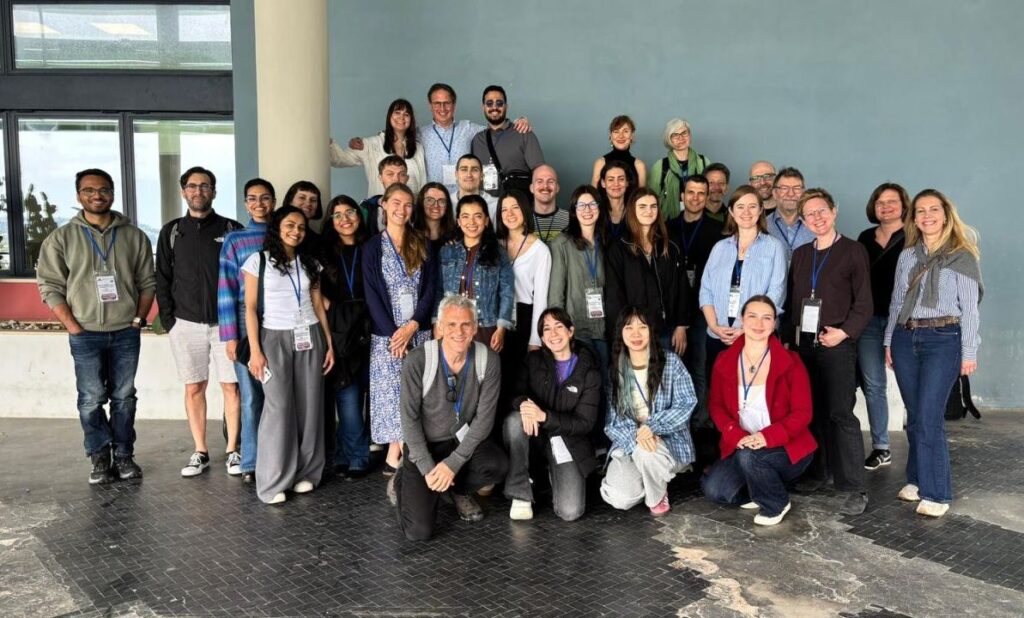

SONATA BIS grant
- Influence of environmental factors on prenatal brain development
- National Science Center (NCN)
- 2024-2029
- 4 812 704 PLN
- We study how inflammation changes brain developmental trajectories during early development.
OPUS grant
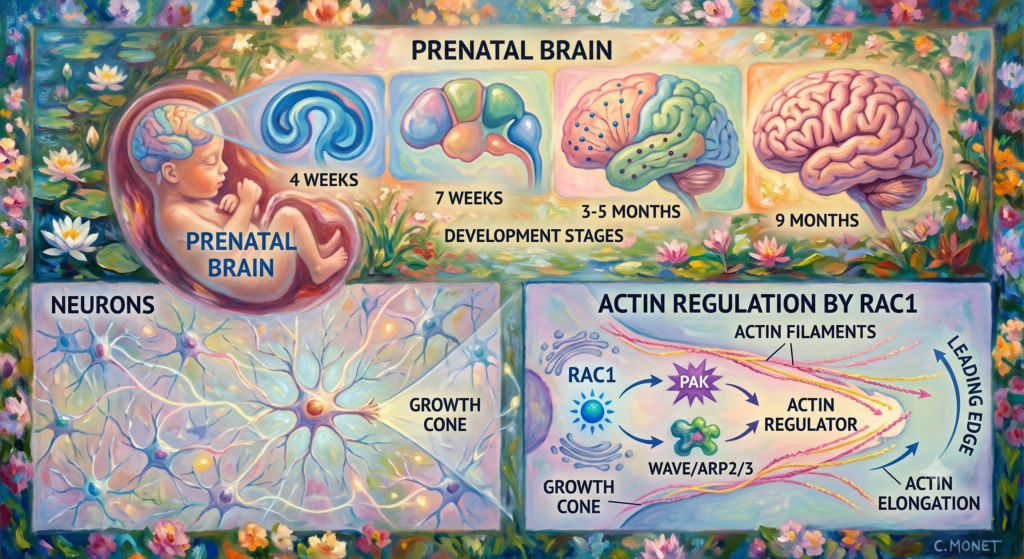
- Rac1 protein contribution to brain developmen and its impairments
- National Science Center (NCN)
- 2020-2024
- 2 251 260 PLN
- We investigate the role of Rac1 protein during brain connectivity development.
SONATA grant
- mTOR contibution to connectivity development.
- National Science Center (NCN)
- 2016-2019
- 698 000 PLN
- We study how mTOR loss or hyperactivation changes connectivity development in retina and brain.